
Introduction
In the global spice trade, cardamom quality is defined by precision. For international buyers,
understanding grading standards is critical to ensure consistency, pricing accuracy, and end-use
suitability. Indian exporters follow well-established grading practices that meet global
expectations.
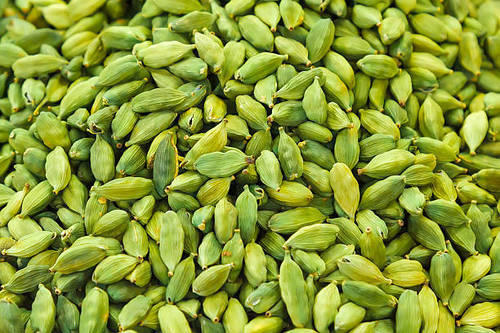
What Determines Cardamom Grade?
Cardamom is graded primarily on:
● Size (mm)
● Color (natural green preferred)
● Density & fullness of pods
● Aroma and oil content
● Moisture percentage
Among these, size grading plays the most important role in export pricing.
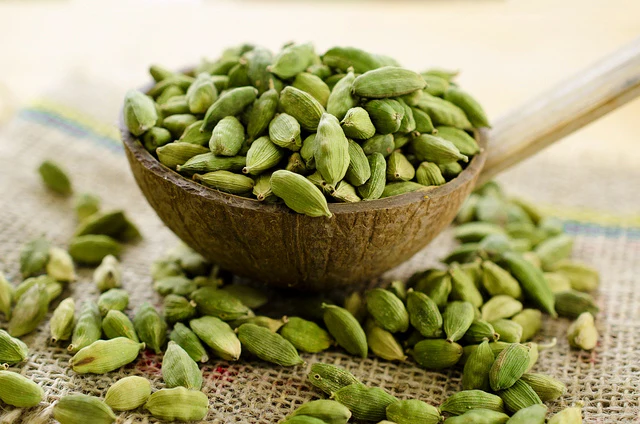
Common Export Sizes Explained
● 5–6 mm
○ Used in spice blends and industrial processing
○ Competitive pricing, high-volume demand
● 6–7 mm
○ Premium segment for retail packs
○ Popular in Middle East and European markets
● 7 mm & above
○ Luxury grade
○ Used by gourmet brands and high-end buyers
Uniformity in size directly impacts buyer confidence and repeat orders.
Importance of Moisture and Storage
Excess moisture can reduce shelf life and cause fungal issues. Export-grade cardamom is
maintained at safe moisture levels and stored in controlled conditions to preserve freshness
during transit.
Conclusion
Clear grading, transparency, and consistency are the backbone of successful cardamom
exports. Buyers sourcing from India benefit from standardized practices and a strong
quality-control ecosystem.